
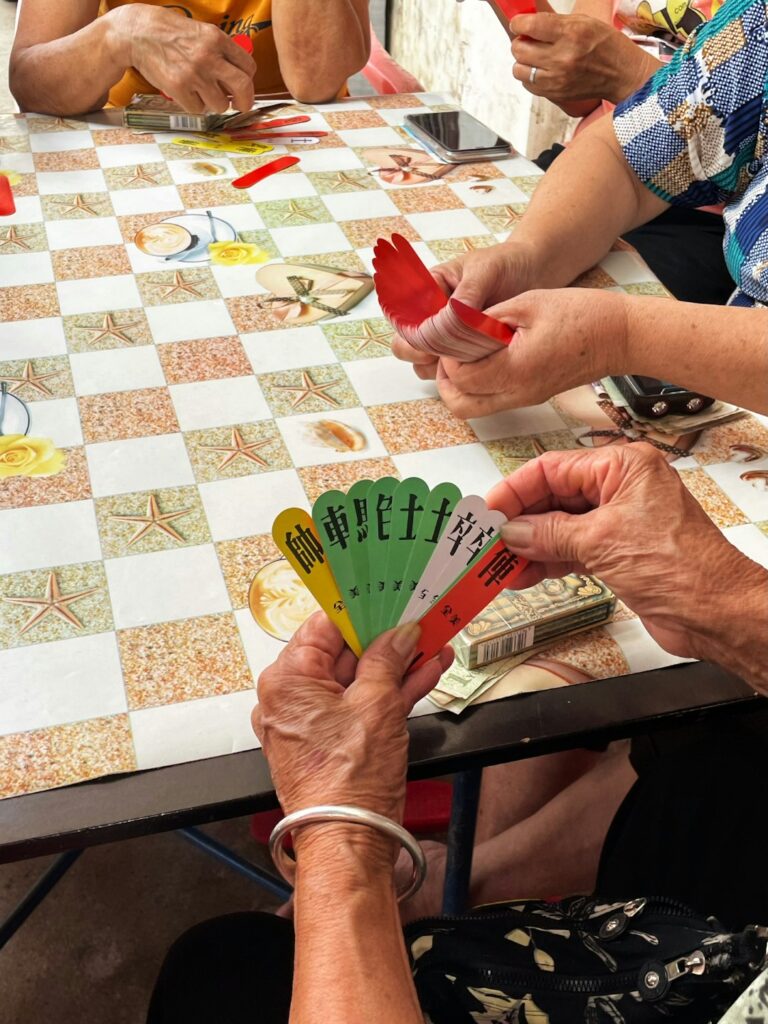
Assisted living activities are designed to support more than entertainment. A well-planned recreation program can help residents maintain mobility, stay socially connected, continue familiar interests, and find purpose in everyday routines. In Shenandoah, seasonal weather, household traditions, and the preferences of older adults all shape which activities are practical and enjoyable.
What types of activities are offered in assisted living?
Assisted living communities typically offer a mix of social, physical, creative, educational, spiritual, and recreational activities. Residents should expect choices rather than a single schedule built for everyone.
Common examples include:
- Group exercise, stretching, balance practice, and walking
- Card games, puzzles, trivia, and board games
- Arts, crafts, painting, knitting, and seasonal projects
- Music programs, sing-alongs, and familiar-song sessions
- Reading groups, current-events discussions, and educational talks
- Cooking demonstrations and baking activities
- Gardening, indoor plants, and nature-related projects
- Religious or spiritual gatherings when available
- Movie afternoons, special meals, and holiday celebrations
- Birthday observances and resident social gatherings
- Visits from entertainers, educators, or community guests
- Outings or supervised transportation for appropriate activities
Schedules vary by community, staffing, resident interests, and available space. Some programs happen daily, while others are offered weekly or seasonally.
How do activities benefit older adults?
Activities can support physical health, emotional well-being, cognitive engagement, and social connection. They are not a cure for loneliness or memory loss, but regular participation may help residents feel more involved and confident in daily life.
Physical activities may help residents maintain flexibility, strength, coordination, and balance. Even seated exercises or short indoor walks can provide useful movement for someone who cannot safely participate in more demanding exercise.
Social programs create regular opportunities to talk with others. This can be particularly helpful after a move from a private home, where daily contact with neighbors or relatives may have been limited. Familiar routines, such as morning coffee groups or afternoon card games, can make a new setting feel more comfortable.
Creative and cognitive activities also serve a practical purpose. Completing a craft, answering trivia questions, organizing photographs, or discussing a book can encourage attention, memory, decision-making, and self-expression.
Are activities suitable for residents with different abilities?
They should be adaptable. Residents may have differences in hearing, vision, mobility, memory, energy level, or communication. A strong activity program offers more than one way to participate.
For example, a music program might include singing, listening, clapping, discussing favorite performers, or simply enjoying the atmosphere. A cooking activity might involve measuring ingredients, sharing recipes, watching a demonstration, or tasting the finished dish.
Residents with dementia or other cognitive changes may benefit from familiar, structured activities with simple instructions. Activities connected to earlier life experiences—such as folding towels, sorting objects, looking through family photographs, or listening to familiar music—may feel more comfortable than unfamiliar competitive games.
Adaptations may include:
- Large-print materials
- Clear verbal instructions
- Extra time to complete a task
- Accessible tables and seating
- Seated versions of movement activities
- Reduced background noise
- Assistance from staff or volunteers
- Smaller groups for residents who become overwhelmed
The goal is meaningful participation, not performance.
What should a resident ask about the activity calendar?
A calendar provides useful information, but a conversation with staff can reveal how activities work in practice. Residents and families may want to ask:
- Are activities held every day, including weekends?
- Are programs offered in the morning, afternoon, and evening?
- How are residents informed about schedule changes?
- Can residents suggest new activities?
- Are activities included in the regular monthly cost?
- Are transportation-based outings available?
- How are residents with limited mobility included?
- Are activities available for people with memory impairment?
- Is there a quiet alternative for residents who do not enjoy groups?
- How are cancellations handled during poor weather?
- Are family members ever invited to participate?
It is also reasonable to ask whether attendance is voluntary. Recreation should encourage involvement without making residents feel pressured.
How can activities reflect a resident’s interests?
Personal history is often more useful than a generic activity list. Staff may learn about a resident’s preferences by asking about former work, hobbies, family traditions, music, religious practices, pets, sports, gardening, cooking, or community involvement.
A resident who never enjoyed organized games may still enjoy helping arrange flowers, listening to old radio programs, tending to a small plant, or talking with another resident about local history. Someone who dislikes large gatherings may prefer a one-on-one conversation, a quiet reading area, or a small craft group.

Families can help by sharing practical details about a person’s past interests. Useful information may include favorite songs, foods, holiday customs, hobbies, and activities the person has always avoided.
What activities work well during Shenandoah winters?
Cold weather and snow can reduce outdoor opportunities, so indoor recreation becomes especially important during winter. Communities should have alternatives for walking, socializing, and staying mentally engaged when residents cannot safely leave the building.
Indoor winter activities may include:
- Hallway walking groups
- Chair exercises and gentle stretching
- Baking or cooking demonstrations
- Seasonal crafts
- Family-history discussions
- Movie or music afternoons
- Indoor gardening
- Puzzle tables and card groups
- Holiday decorating
- Virtual visits or video conversations with relatives
Winter schedules may also need flexibility. Poor weather can affect transportation, visitors, and planned outings. Residents benefit from clear communication when a program changes and from having appealing activities available without needing to travel.
Can recreation include outdoor time?
Yes, if the setting, weather, and resident abilities allow it. Outdoor time may include sitting on a patio, walking on a safe path, gardening in raised containers, watching birds, or participating in a seasonal picnic.
Outdoor activities require attention to temperature, footwear, shade, hydration, and fall risks. During hot or humid weather, shorter activities during cooler parts of the day may be more appropriate. In colder months, even brief outdoor exposure should be planned around safe surfaces and suitable clothing.
Residents who cannot walk independently may still enjoy outdoor surroundings with proper assistance and accessible seating.
What if a resident does not want to join group activities?
Declining group activities is not necessarily a sign of a problem. Some residents are private, tired, anxious in crowds, or unfamiliar with the people and setting. Others may prefer individual recreation.
Staff can offer alternatives such as:
- Listening to music
- Reading or looking through magazines
- Completing a puzzle
- Watching a favorite type of program
- Talking with a staff member or visitor
- Caring for a plant
- Writing letters or organizing photographs
- Participating in a small, quiet group
A resident who initially refuses activities may become interested after observing a program or meeting one familiar person. Participation often develops gradually, especially after a move.
How can families support meaningful recreation?
Families can support activities by visiting during a program, bringing familiar photographs or music, sharing hobbies, and asking what the resident enjoys rather than assuming. A short, regular visit may be more comfortable than an occasional long gathering.
Families can also tell staff when a resident’s interests change. Reduced participation may reflect pain, fatigue, depression, hearing difficulty, medication effects, or frustration with an activity that is too complicated. These concerns deserve attention rather than being dismissed as simple disinterest.
A useful recreation program gives residents choices, respects limitations, and connects daily activities to personal identity. The most successful programs are not necessarily the busiest. They are the ones that help people feel comfortable, capable, included, and connected.
