
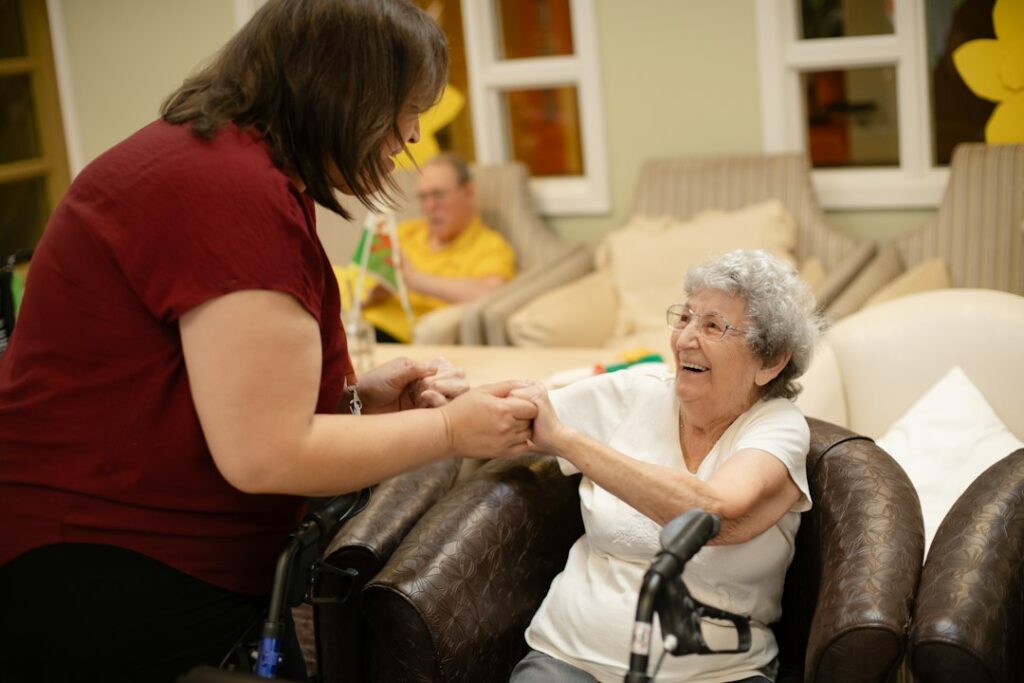
Assisted living staff support residents by helping with daily routines, personal care, medications, safety, health coordination, and social participation. The goal is not to take over every task, but to provide the right level of help while preserving dignity, choice, and independence.
What does assisted living staff do each day?
Staff members help residents manage ordinary activities that may have become difficult, tiring, or unsafe to complete alone. Support is usually based on an assessment of the resident’s abilities, preferences, health needs, and personal routines.
Daily assistance may include:
- Getting out of bed and moving safely to a chair
- Bathing, dressing, grooming, and toileting
- Eating and drinking
- Walking with or without an assistive device
- Positioning in bed or a chair
- Laundry and keeping personal belongings organized
- Arranging transportation or preparing for appointments
- Participating in meals, activities, and community events
The amount of assistance can vary from one resident to another. Someone may need reminders and occasional supervision, while another person may need hands-on help with several activities each day.
How do staff protect resident independence?
Good assisted living support is designed to help residents do as much as they safely can. Staff may set up clothing rather than dress the person, provide an arm for balance rather than carry the resident, or offer reminders before completing a task.
This approach matters because independence includes more than physical ability. Residents may also want control over:
- What time they wake up
- Which clothing they wear
- How they arrange their room
- What foods they prefer
- Which activities they attend
- How they spend private time
- Who participates in personal care
A resident’s care plan should reflect these preferences whenever possible. Support should be respectful, explained in advance, and adjusted when abilities or needs change.
How do staff help with medications?
Medication support may include reminders, organizing medication times, assisting with self-administration, or administering medications according to applicable rules and the resident’s care plan. Staff may also observe whether a resident appears to be having difficulty taking medicine safely.
Medication assistance is more than handing over a pill. Staff may need to watch for missed doses, refusal, confusion, swallowing problems, side effects, or changes in behavior. They typically communicate concerns to the appropriate nurse, prescriber, pharmacy, or family contact according to established procedures.
Families should ask which medications staff can manage, who is permitted to administer them, how errors are handled, and how changes from a prescriber are documented. In Pennsylvania, assisted living residences and personal care homes operate under state licensing requirements, but they are not the same as nursing homes or hospitals.
Do assisted living staff provide medical care?
Assisted living staff provide personal care, supervision, and support, but assisted living is not usually a substitute for a hospital or a 24-hour skilled nursing facility. Some residences have nurses or visiting health professionals, while others coordinate outside healthcare services.
Staff may help by:
- Recording changes in condition
- Arranging medical appointments
- Sharing relevant information with authorized family members
- Supporting care instructions from healthcare providers
- Coordinating transportation
- Watching for falls, infections, dehydration, confusion, or other concerns
A change in a resident’s health may require an updated assessment or a different level of care. Families should ask how the residence determines whether it can continue meeting a resident’s needs.
How do staff support residents with memory loss?
Memory support may involve reminders, consistent routines, clear directions, and supervision in areas where a resident could become confused or unsafe. Staff may use familiar activities, simple choices, visual cues, and calm redirection.
For a person with memory loss, an unfamiliar routine can create anxiety. Consistency helps staff recognize what is normal for the resident and notice meaningful changes. Helpful observations may include reduced appetite, sleeping more than usual, withdrawal from activities, repeated questions, or increased difficulty walking.
Memory loss does not eliminate a person’s need for privacy, respect, and participation in decisions. Staff should speak directly to the resident, avoid arguing over confused statements, and explain care in a reassuring manner.
How do staff respond to falls or other emergencies?
Staff are trained to follow emergency procedures, provide immediate assistance within their role, and notify the appropriate contacts. A fall may require checking for injury, obtaining medical evaluation, documenting what happened, and reviewing whether the care plan should change.
Seasonal conditions can affect safety in Shenandoah. Winter ice, snow, cold temperatures, reduced daylight, and wet footwear can increase fall risks around entrances and walkways. Staff may respond by monitoring outdoor conditions, encouraging suitable clothing and footwear, keeping walkways clear, and adjusting transportation or activity plans when necessary.
Residents and families should know how the residence handles:

- Falls with no obvious injury
- Severe weather
- Power outages
- Fire alarms and evacuation
- Missing or disoriented residents
- Medication errors
- Sudden illness or a change in behavior
Clear communication after an incident is part of safe care.
How do staff support nutrition and hydration?
Staff may serve meals, provide snacks, remind residents to drink, and observe whether eating or drinking habits have changed. Some residents need help opening containers, cutting food, using utensils, or following a prescribed diet.
Reduced appetite can be caused by illness, medication changes, dental problems, depression, difficulty chewing, or changes in taste and smell. Staff observations can help identify these concerns early.
Families may want to ask whether residents can choose between meal options, how special diets are handled, and how staff respond when a resident regularly skips meals or drinks very little.
How do staff support emotional and social well-being?
Assistance is not limited to bathing, meals, and medications. Staff often help residents remain connected to other people and continue activities that give structure to the day.
Support may include inviting a resident to an activity, helping with a telephone call, escorting someone to a common area, or noticing when a person is becoming isolated. Activities may involve conversation, music, crafts, exercise, games, religious observance, seasonal events, or time outdoors when conditions permit.
Residents should not be pressured to attend every activity. A quiet day may be appropriate, but a pattern of withdrawal can signal loneliness, depression, pain, fatigue, or illness and should be observed.
What should families expect from communication?
Families should expect communication about significant changes in health, accidents, medication concerns, hospital visits, changes in behavior, and major adjustments to the care plan. Routine communication may occur through scheduled meetings, phone calls, written updates, or conversations during visits.
Useful questions include:
- Who should the family contact with a concern?
- How quickly are urgent changes reported?
- How are care plans reviewed?
- What happens if a resident refuses care?
- How are resident preferences recorded?
- Who explains changes in services or daily routines?
Residents also have rights related to privacy, dignity, participation in decisions, and freedom from abuse, neglect, and unnecessary restraints. Speaking up about care is not the same as being difficult; clear questions can help prevent misunderstandings and identify problems early.
What assisted living staff cannot replace
Staff support is valuable, but it does not remove every health or safety risk. Assisted living may not be appropriate when a person needs continuous skilled nursing, complex medical treatment, or care beyond the residence’s license, staffing, equipment, or training.
A resident’s needs can change gradually. Regular conversations among the resident, family, staff, and healthcare professionals help determine whether the current setting remains suitable. The central question is whether the resident is receiving enough support to remain safe while retaining as much choice and independence as possible.
