
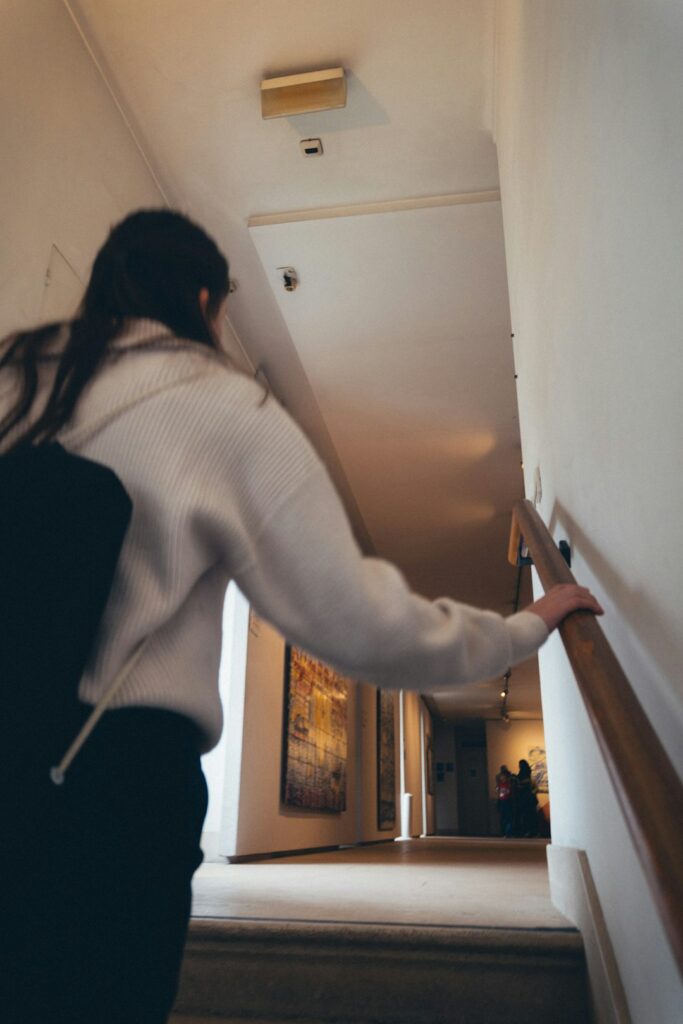
Assisted living safety involves much more than locked doors or emergency call buttons. A well-designed community combines safe building features, trained staff, clear procedures, medication safeguards, and individualized support so residents can maintain as much independence as possible while reducing preventable risks.
For residents and families in Shenandoah, seasonal weather, older housing patterns, mobility concerns, and changing health needs can all influence what safety features deserve close attention.
What safety features should an assisted living community have?
A safe assisted living community should provide reliable emergency response, fall-prevention measures, secure entrances, fire protection, adequate lighting, and systems for monitoring residents who may need additional support.
Important features commonly include:
- Emergency call systems in bedrooms, bathrooms, and shared areas
- Handrails along hallways and on stairways
- Grab bars and non-slip surfaces in bathrooms
- Well-lit corridors, entrances, parking areas, and outdoor walkways
- Smoke alarms, fire sprinklers, fire extinguishers, and marked exits
- Secure doors that control access without blocking emergency evacuation
- Backup power for essential lighting, communication, and medical equipment
- Staff procedures for responding to falls, wandering, illness, and severe weather
The presence of equipment alone does not guarantee safety. The system must be maintained, tested, and understood by both staff and residents.
How do emergency call systems work?
Emergency call systems allow a resident to request help quickly after a fall, sudden illness, or other urgent problem. Depending on the community, the system may use a wall-mounted button, a wearable pendant, a wrist device, or a pull cord in the bathroom.
Families should ask:
- Is help available 24 hours a day?
- Who receives the alert?
- Is the response handled by staff in the building?
- What happens if a resident cannot reach the button?
- Are devices checked regularly?
- Is there a backup plan during a power or communication outage?
Bathrooms deserve special attention because falls often occur there and a resident may be alone. A call device should be reachable from the floor, not just from standing height. Staff should also explain how to use it and confirm that residents can operate it comfortably.
How are falls prevented?
Fall prevention usually depends on several smaller features working together. Flooring, lighting, furniture placement, footwear, medication effects, vision, and mobility support can all influence risk.
Useful safety measures include:
- Clear walking paths without loose rugs or unnecessary furniture
- Even transitions between flooring surfaces
- Night lighting between the bedroom and bathroom
- Chairs and beds at appropriate heights
- Stable handrails in hallways
- Bathrooms with grab bars and adequate turning space
- Frequently used items stored within easy reach
- Mobility aids kept nearby and in good condition
A common misconception is that preventing falls means restricting movement. Excessive restrictions can weaken strength and confidence. A better approach generally combines safe activity, appropriate supervision, physical support, and individualized care planning.
Families should ask whether staff reassess fall risk after a hospitalization, medication change, injury, or noticeable decline in balance.
How are medications handled safely?
Medication safety involves accurate records, secure storage, correct timing, and observation for side effects. Residents may receive help taking medications, while others may manage some or all of their own medicines if they can do so safely.
Questions worth asking include:
- Who orders, stores, and gives medications?
- How are missed or refused doses documented?
- How are changes from a hospital or medical visit communicated?
- Are medications reviewed when a resident becomes unusually sleepy, dizzy, confused, or unsteady?
- How are over-the-counter drugs, vitamins, and creams handled?
- What happens during an emergency evacuation?
Medication errors can increase the risk of falls, confusion, dehydration, or hospitalization. Families should share an up-to-date medication list and report changes in alertness, appetite, balance, or behavior.
What protections are in place for residents with memory loss?

Residents living with Alzheimer’s disease or another form of memory impairment may need additional safeguards. These can include secured exits, door alarms, staff observation, identification methods, and routines that reduce confusion.
Safety measures should preserve dignity while addressing wandering or unsafe exits. A secured area should still provide access to appropriate activities, daylight, comfortable seating, bathrooms, and outdoor space when possible.
Families should ask how the community responds if a resident leaves a supervised area, becomes disoriented, or refuses assistance. It is also useful to discuss personal triggers, familiar routines, preferred language, and calming strategies before a crisis occurs.
How does fire and severe-weather preparedness work?
Fire safety requires visible exits, working alarms, evacuation plans, regular drills, and staff who know which residents need hands-on assistance. Residents should be told what to do if an alarm sounds, even if staff will provide most of the physical help.
Severe weather planning also matters in Schuylkill County communities. Winter conditions can affect roads, deliveries, outdoor walkways, heating systems, and family visits. A community should have plans for snow and ice, heating interruptions, power outages, and limited travel.
Ask whether the building has:
- Backup generators or other emergency power arrangements
- Extra food, water, medications, and medical supplies
- A procedure for keeping residents warm during an outage
- Indoor areas designated for severe-weather shelter
- Communication plans for families
- Transportation arrangements for urgent medical needs
Emergency plans should account for residents who use wheelchairs, oxygen, walkers, hearing devices, or other equipment.
How is building security balanced with independence?
Secure entrances help prevent unauthorized access, but residents should not feel confined or unable to receive visitors. A balanced system may include controlled entry, visitor sign-in procedures, evening access rules, video monitoring in appropriate common areas, and staff awareness of unusual activity.
Security should protect privacy. Cameras should not be placed in private areas such as bedrooms or bathrooms. Staff should also explain how personal information, keys, access codes, and medical details are protected.
Residents and families can observe whether entry doors close properly, whether hallways are easy to navigate, and whether staff can identify visitors without creating unnecessary barriers.
What should families inspect during a visit?
A scheduled tour may not reveal every safety issue. Look beyond attractive furnishings and notice how the community functions during ordinary activity.
Pay attention to:
- Whether hallways are cluttered or difficult to navigate
- Whether residents appear able to summon assistance
- Whether staff respond promptly and respectfully
- Whether bathrooms have usable grab bars and adequate lighting
- Whether floors are dry and free from loose mats
- Whether emergency exits are clearly marked
- Whether outdoor paths appear manageable in wet, icy, or snowy weather
- Whether residents are supported without being unnecessarily rushed or restricted
It is reasonable to ask for written explanations of emergency response, medication assistance, fall reporting, infection precautions, and care-plan updates. Families should also ask how concerns are documented and communicated after an incident.
Safety is strongest when the building, staff practices, emergency planning, and resident preferences all work together. The right questions can help households compare communities based on daily reliability rather than appearance alone.
