

Assisted living can strengthen social connections by creating regular opportunities for conversation, shared activities, mutual support, and contact with the wider community. For residents of Shenandoah, PA, this structure may be especially helpful when living alone, managing transportation challenges, or adjusting to changes in health and mobility.
Moving to assisted living does not mean giving up independence or personal relationships. Instead, it can provide a setting where social interaction is easier to access and less dependent on driving, weather, household maintenance, or coordinating every visit in advance.
How does assisted living reduce loneliness?
Assisted living reduces loneliness by placing daily social opportunities close to where residents live. Residents may see neighbors in dining areas, lounges, hallways, gardens, activity rooms, or shared outdoor spaces without having to arrange transportation.
This regular contact matters because loneliness is often connected to a lack of consistent interaction rather than a complete absence of people. A resident may have family members who care deeply but live too far away to visit often. Assisted living can fill some of the everyday social gaps between phone calls, family visits, and special occasions.
Simple interactions can become meaningful:
- Greeting the same neighbor each morning
- Sharing a meal at a familiar table
- Talking with staff members during routine activities
- Joining a card game or discussion group
- Sitting with others during a seasonal event
- Watching a program or listening to music with a small group
These moments may appear ordinary, but repeated contact can help residents feel recognized, included, and connected to a community.
What kinds of activities help residents build friendships?
Activities are most effective when they reflect residents’ interests, abilities, and previous routines. Social connection does not require constant entertainment or a crowded calendar. A small group built around a shared interest can be more comfortable and rewarding than a large event.
Common examples include:
- Card, board, word, or puzzle groups
- Music listening, sing-alongs, or live performances
- Exercise, stretching, or walking groups
- Craft, gardening, or seasonal decorating projects
- Current-events discussions
- Cooking or baking activities
- Faith-based or reflective gatherings
- Educational talks and local-history conversations
- Movie afternoons
- Birthday, holiday, and milestone celebrations
Residents may also connect through activities that resemble work or household routines. Folding napkins, tending plants, organizing photographs, helping prepare a table, or assisting with a group project can create a sense of usefulness while encouraging conversation.
Participation should remain a choice. A resident may prefer a quiet activity, one-to-one conversation, or a small gathering instead of a large group. Respecting those preferences helps social involvement feel genuine rather than forced.
Can assisted living help residents maintain family relationships?
Yes. Assisted living can make family relationships easier to maintain by providing a comfortable place for visits and reducing some of the practical burdens of daily living. Family members may spend more time talking, sharing a meal, looking through photographs, or participating in an activity because they are not focused entirely on household chores and safety concerns.
Visits can also become more flexible. A family member may stop by for a short conversation, while a longer visit can include a meal or community event. When distance, work schedules, or winter weather make travel difficult, phone calls and video conversations may help maintain regular contact.
Family involvement can include:
- Sharing news, photographs, recipes, or family stories
- Celebrating birthdays and holidays together
- Attending resident events when permitted
- Bringing familiar hobbies or music
- Helping preserve personal traditions
- Including the resident in decisions about routines and activities
For families in and around Shenandoah, seasonal conditions can affect travel and visiting patterns. Snow, ice, shorter daylight hours, and changing road conditions may make spontaneous visits more difficult during colder months. A predictable visiting routine, along with phone or video contact, can help reduce isolation during those periods.
What if a resident is shy or does not want to join group activities?
A resident does not need to become highly social to benefit from assisted living. Some people prefer one-on-one conversations, quiet companionship, or observing an activity before deciding whether to participate.
A gradual approach may work better than immediate involvement. Staff or family members can help by introducing the resident to one person with similar interests, choosing a smaller activity, or attending the first gathering together. Familiarity often makes participation easier over time.
Useful signs that a resident may prefer a different approach include:
- Leaving activities early
- Appearing overwhelmed in crowded rooms
- Avoiding noisy settings
- Participating silently without showing interest
- Becoming more engaged during individual conversations
- Showing interest in an activity but hesitating to enter
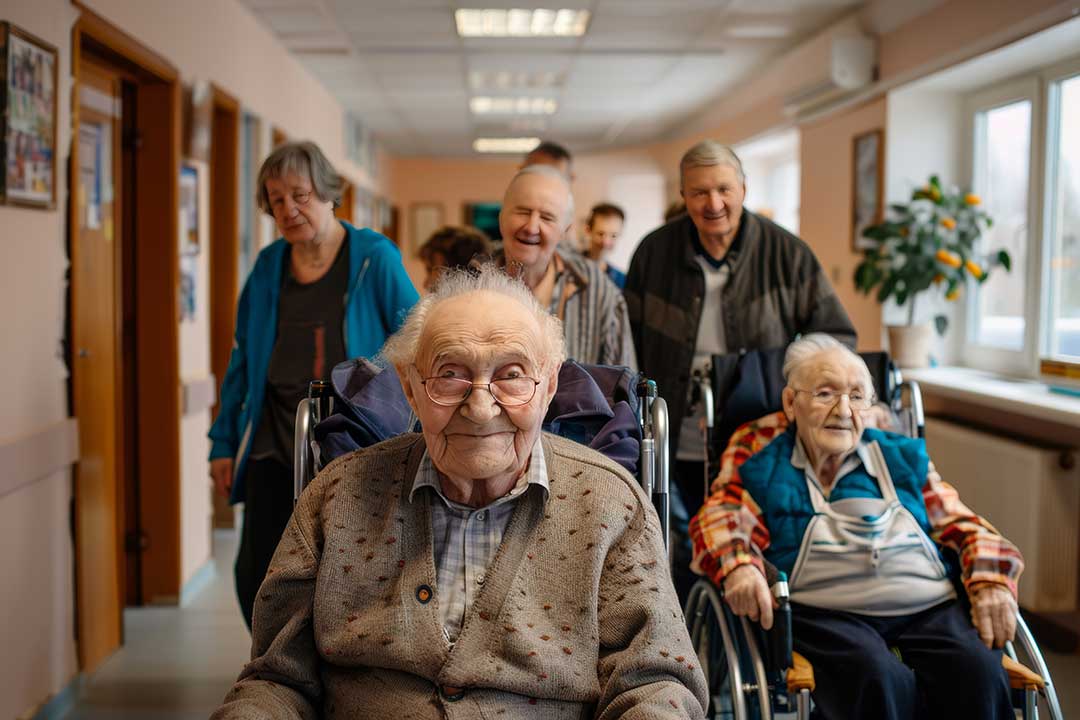
Social connection should be measured by comfort and quality, not by the number of events attended. A resident who regularly talks with one neighbor may be more socially connected than someone who attends many activities without forming meaningful relationships.
How can assisted living support residents with memory loss?
Structured routines and familiar social settings can help residents with memory loss feel more secure. Repeated activities, recognizable faces, music from earlier years, and simple conversation topics may encourage participation without placing pressure on recall.
Activities should focus on enjoyment rather than performance. A resident does not need to remember every person’s name, follow a complicated set of rules, or complete a project perfectly. Singing, looking through photographs, arranging flowers, listening to stories, or helping with a simple task can support connection.
Communication is often easier when others:
- Use a calm tone and short statements
- Allow extra time for responses
- Avoid correcting every minor mistake
- Focus on shared experiences
- Offer clear choices instead of open-ended questions
- Watch for signs of fatigue or frustration
A person living with memory loss can still experience friendship, comfort, humor, and belonging even when long-term recall has changed.
Does social connection affect health and emotional well-being?
Social connection can support emotional well-being by giving residents companionship, routine, encouragement, and a sense of belonging. Regular interaction may also make it easier for others to notice changes in mood, appetite, mobility, or behavior.
Social contact is not a replacement for medical care, counseling, or treatment. However, it can be part of a broader support system. A resident who feels connected may be more willing to participate in daily routines, express concerns, and accept help when needed.
Isolation can sometimes appear as physical or behavioral change. Reduced conversation, loss of interest, frequent sadness, irritability, or withdrawing from familiar activities may signal that a resident needs a different type of social support. Changes should be shared with appropriate caregivers, especially when they are sudden or persistent.
How can residents preserve independence while becoming more connected?
Independence and social involvement are not opposites. Residents can remain independent by choosing how they spend their time, deciding which activities matter to them, maintaining personal routines, and continuing relationships outside the residence.
A person may want to:
- Eat privately on some days and socially on others
- Keep regular phone calls with family
- Continue a longtime hobby
- Spend quiet time reading or listening to music
- Attend only selected activities
- Invite a trusted friend or relative to visit
- Help welcome new residents
- Maintain familiar cultural, spiritual, or seasonal traditions
The most supportive environment allows residents to participate without pressure and to have privacy without becoming disconnected. Strong social connection is built through choice, consistency, respect, and opportunities for meaningful interaction.
