
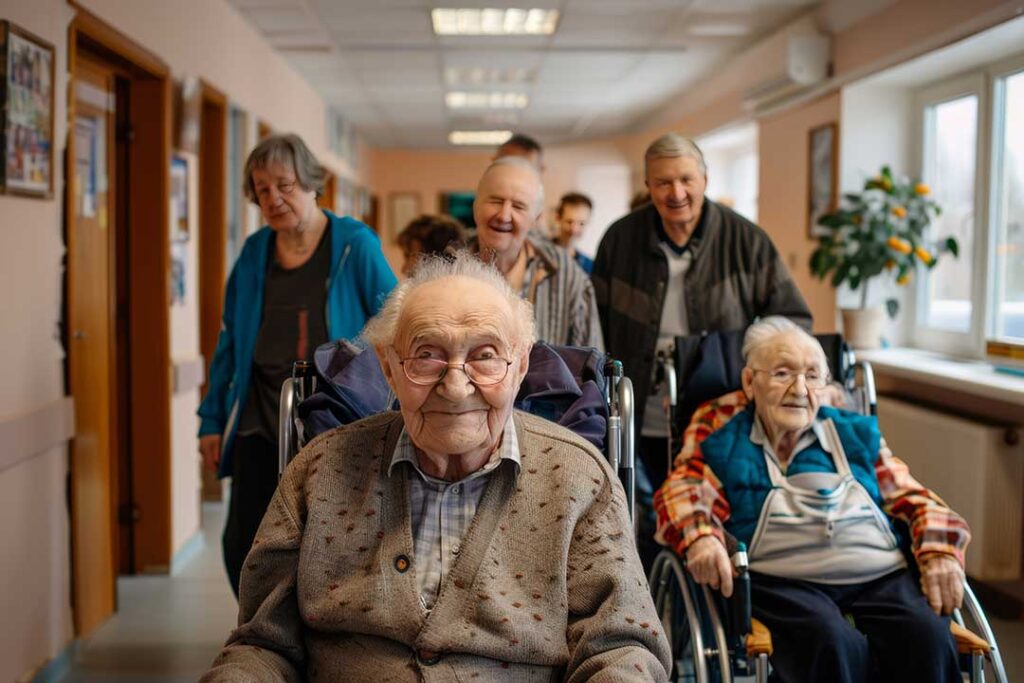
What Does a Typical Day Look Like in Assisted Living?
Daily life in an assisted living community is structured to balance support and independence. Residents in Shenandoah, PA can expect a consistent schedule that encourages socialization, activity, and comfort while allowing for plenty of personal choice. Most communities aim to create an environment where residents feel both safe and at home, adapting routines to match local customs and seasonal changes.
A resident’s day may begin with breakfast in a shared dining area, followed by scheduled activities, relaxation time, and opportunities to socialize. Staff are on hand to help with personal care or health needs, but participation in events and activities is usually flexible.
How Are Meals and Nutrition Managed?
Meals in assisted living are provided at regular intervals, usually three times daily with snacks in between. Menus are designed to accommodate dietary preferences and medical requirements, with the goal of making mealtimes enjoyable and nutritious.
Most communities in the area use common dining rooms to foster a sense of togetherness. Options might include:
- Seasonal ingredients familiar to local residents
- Dishes prepared to align with medical needs such as low-sodium or diabetic diets
- Simple arrangements for residents who prefer eating in their rooms due to health or personal choice
Residents can discuss food allergies, preferences, and requests with staff so their dietary needs are considered.
What Kinds of Activities and Events Are Offered?
Assisted living communities offer a daily calendar of activities to support physical, mental, and social well-being. These activities may include:
- Group exercise or chair yoga
- Arts and crafts sessions
- Music appreciation or sing-alongs
- Board games or movie screenings
- Book clubs or themed discussions
Seasonal events reflect the climate and traditions of Shenandoah, such as indoor gardening in the spring or holiday-themed socials in winter. Residents can choose which activities to join and often have opportunities to suggest new ones.
Are Medical and Personal Support Services Available?
Assistance with daily living tasks is a core part of assisted living. In Shenandoah, support may include help with:
- Bathing, grooming, and dressing
- Medication reminders and general health monitoring
- Mobility assistance and supervision
Nursing staff are present to coordinate care and respond to changes in health or mobility. Routine medical visits can often be arranged on-site, making health management easier for residents and their families.
How Do Residents Personalize Their Environment?

Residents are encouraged to make their living spaces feel like home. Rooms can be decorated with personal belongings, photos, or small furniture items (within community guidelines). This personalization helps maintain a sense of identity and comfort while living in a shared setting.
Many residents find that being able to adjust their own furnishings, lighting, and climate controls helps them feel more settled, especially during the variable weather of northeastern Pennsylvania.
How Is Privacy Balanced with Community Living?
Maintaining privacy in assisted living is achieved by providing personal living spaces and respecting residents' preferences for socializing or quiet time. Staff are trained to knock before entering and to honor choices regarding room entry, visitors, or participation in group events.
Some people worry that moving to assisted living means losing autonomy. In practice, residents often gain confidence, as support is available if needed but independence is encouraged in daily routines.
What About Transportation and Getting Around Town?
Transportation is typically arranged for group outings, medical appointments, or planned shopping trips. Local regulations and weather sometimes influence how often these trips occur, especially in snowy conditions common in Shenandoah winters.
Residents able to travel independently might arrange rides with family or utilize local community transit if available, but communities prioritize accessible, safe transportation tailored to residents’ mobility needs.
Can Family and Friends Visit Easily?
Visitation policies are designed to keep residents connected with loved ones while maintaining safety and security. Most assisted living communities welcome visitors daily, with some setting recommended hours to ensure rest and routine. Special events may also invite families to participate in meals, performances, or celebrations.
During high contagion seasons or inclement weather, virtual visits and phone calls are encouraged, ensuring residents remain socially connected even when in-person visits are limited.
What Misconceptions Do Residents Commonly Have?
It’s common to think life in assisted living might feel institutional or isolating. In reality, most residents in the area find a robust sense of community and daily engagement, while still managing their own schedules. Another misconception is that support means a loss of independence, but the aim is always to empower residents to do as much as they can for themselves.
Some also expect routines to be rigid, but flexibility is prioritized. Participation in meals, activities, and outings is based on personal preference.
How Are Residents’ Voices Heard?
Resident councils, suggestion boxes, and regular meetings give individuals a say in how their community operates. Feedback is used to shape meal plans, schedule events, and improve the daily experience based on what residents enjoy or want to change.
Active participation helps ensure the environment remains responsive to the needs and traditions of the local community.
